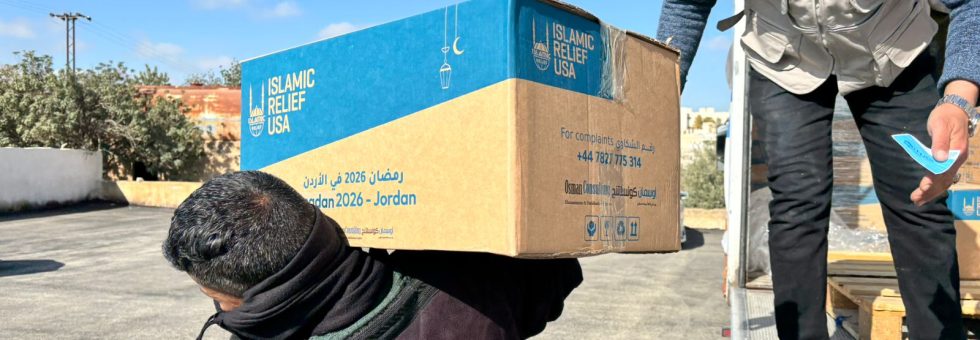
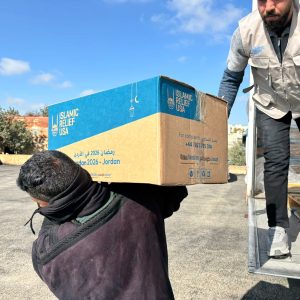
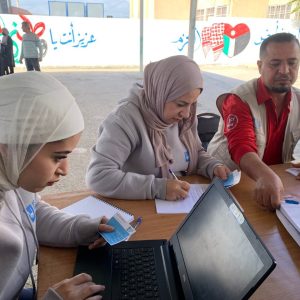
The Jordanian Humanitarian Resilience Society (JHRS) successfully implemented the Ramadan Relief Project 2026, with the generous support of Islamic Relief USA (IRUSA) through Osman Consulting. The project aimed to address immediate food insecurity needs while contributing to longer-term resilience outcomes among vulnerable communities in Jordan.
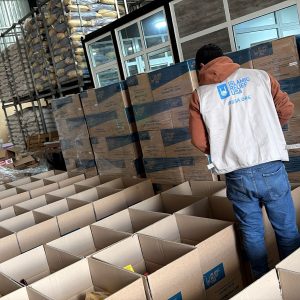
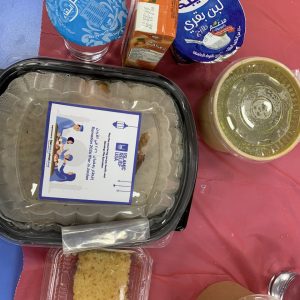
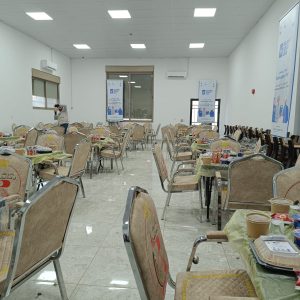
The project targeted the governorates of Amman, Balqa, and Mafraq, delivering 2,125 nutritionally balanced food parcels and 443 hot meals, reaching over 11,000 direct beneficiaries, with additional indirect impact on thousands of household members across the targeted communities.
Positioned within the Food Security Sector, the project enhanced access to adequate, safe, and culturally appropriate food during a period of heightened vulnerability. Simultaneously, the project contributed to Disaster Risk Reduction (DRR) objectives by reducing negative coping mechanisms, strengthening household-level resilience, and mitigating the compounded impacts of economic hardship and climate-related stressors.
Implementation was carried out in close coordination with the Ministry of Social Development (MOSD) and the Ministry of Interior (MoI), through administrative governors in the targeted areas, and in partnership with local community-based organizations (CBOs). This coordinated approach ensured transparent, accountable, and needs-based targeting aligned with national systems and humanitarian standards.
The project adhered to Sphere Standards and the Core Humanitarian Standards (CHS), ensuring quality, accountability, and the protection of beneficiary dignity throughout implementation.
Beyond immediate relief, the intervention contributes to advancing SDG 2 (Zero Hunger) and aligns with the Sendai Framework for Disaster Risk Reduction (2015–2030) by strengthening community resilience, promoting inclusive approaches, and supporting vulnerable populations in transitioning from short-term assistance toward longer-term stability.
